
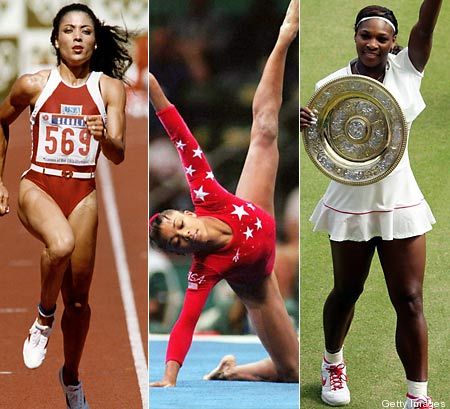
I am so excited about the Summer Olympics! From track and field to gymnastics, I will be glued to the television listening to the inspiring stories of each competitor and rooting for Team USA every step of the way.Watching the Olympics inspires me to train more and become fit and focused. Don’t you guys agree?
While in Colorado, I was able to get a detailed understanding of what it takes to train like an Elite/Endurance Athlete (also known to us as Olympians) from Dr. Iñigo San Millán, PhD, Director of Exercise Physiology and Human Performance Lab at the Anschutz Health and Wellness Center. Dr. Iñigo San Millán is one of the world’s foremost exercise physiologists.
I attended both of Dr. Millán‘s lectures. He studies how to address the obesity rates through studying elite athletes physiology and diets. Dr. Millán introduced us to some alarming statics.
- Being overweight or obese is the biggest contributing factors to cardiovascular disease (CVD), Cancer and Type II diabetes (DM II) in the US
- 68‐70 % of US population is overweight (OW) or obese (OB)
- The cost of OW/OB related diseases in the US is $150 Billion per year!
- Being OW or OB leads it 100,000 to 400,000 deaths per year!
- Without IMMEDIATE and COMPREHENSIVE action these numbers and cost will continue to escalate (WHO, 2000)
- Exercise + proper nutrition are the most effective ways to combat this epidemic
“The debt issue becomes really serious 10 years from now, when health care costs are spiraling. In the short run, we have a manageable problem. In the longer run, we do not.” – Tylor Cowen, Professor of economics at George Mason University
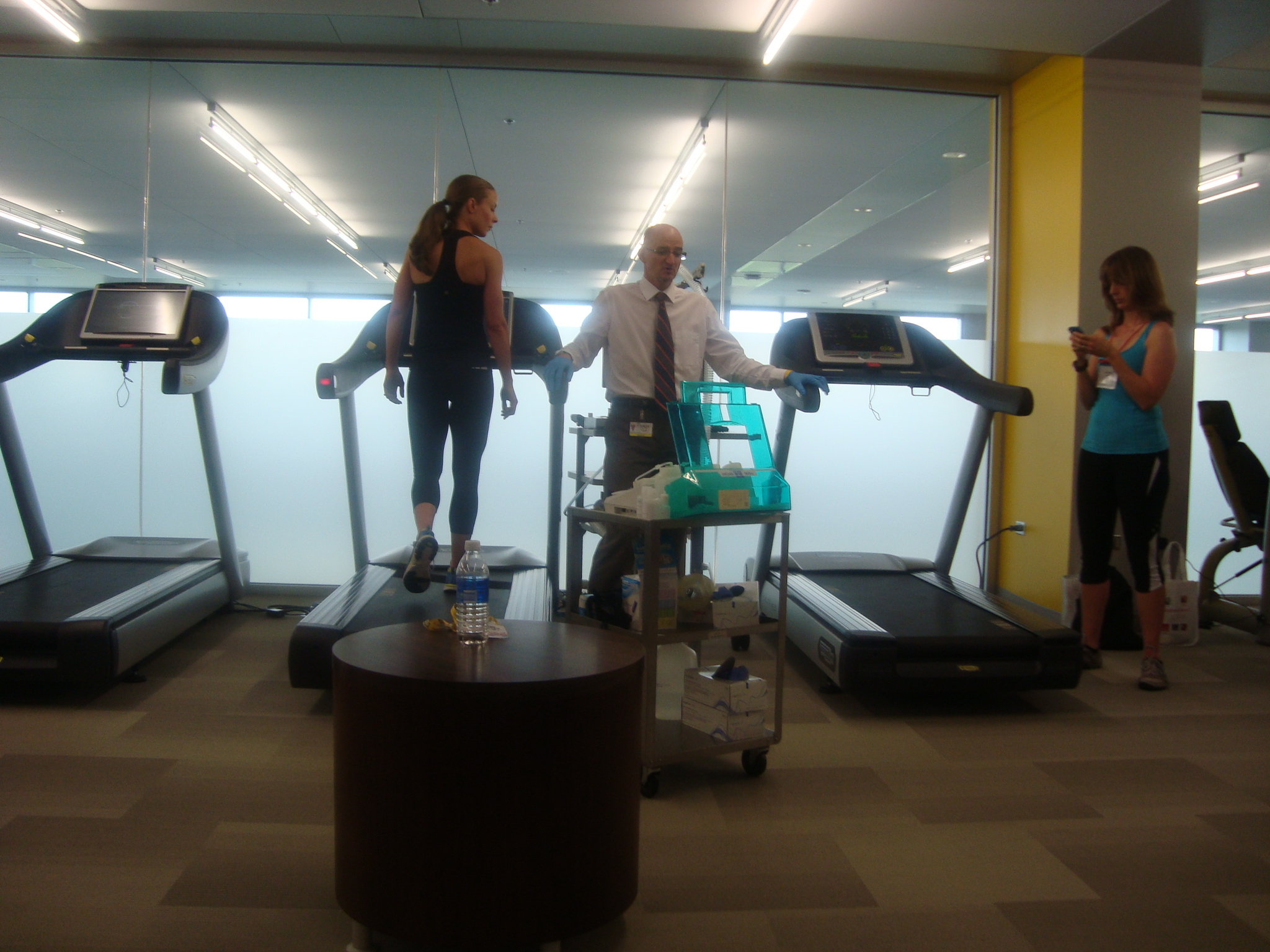
Background About Dr. San Millan and His Studies
Dr. San Millan has been appointed Director of the Human Performance Laboratory at the new Anschutz Health and Wellness Center, a new facility that’s set to become a beacon for health promotion and disease prevention throughout Colorado, the nation and the world by taking a research-based, multidisciplinary approach to stop the growing girth of the nation. In this role, Dr. San Millan applies the latest tests, methodologies and approaches in Applied Exercise Physiology and Metabolism to help optimize the performance and improve the health of athletes and non-athletes alike.
Through 14 years’ experience as an exercise physiologist and sports medicine advisor, Dr. San Millan has worked with many professional teams and elite athletes worldwide in sports including track and field, running, cycling, triathlon, rowing and basketball. His successes include six Pro Tour Cycling Teams, a Tour de France winner and 16 Grand Tours podium finishers. He currently offers individuals of all sports and athletic levels, including beginners and recreational athletes, the same services and resources to which, until now, only professional and elite athletes have had access.
Dr. San Millan also applies his techniques in exercise physiology and metabolism to improve the understanding of some diseases. He has observed similarities between metabolic responses seen in high intensity exercise among elite athletes and responses to certain diseases among more sedentary patients. This insight and his training and testing techniques may help physicians from other practice areas treat patients suffering from, or at risk for, cardiovascular disease in new and unique ways.
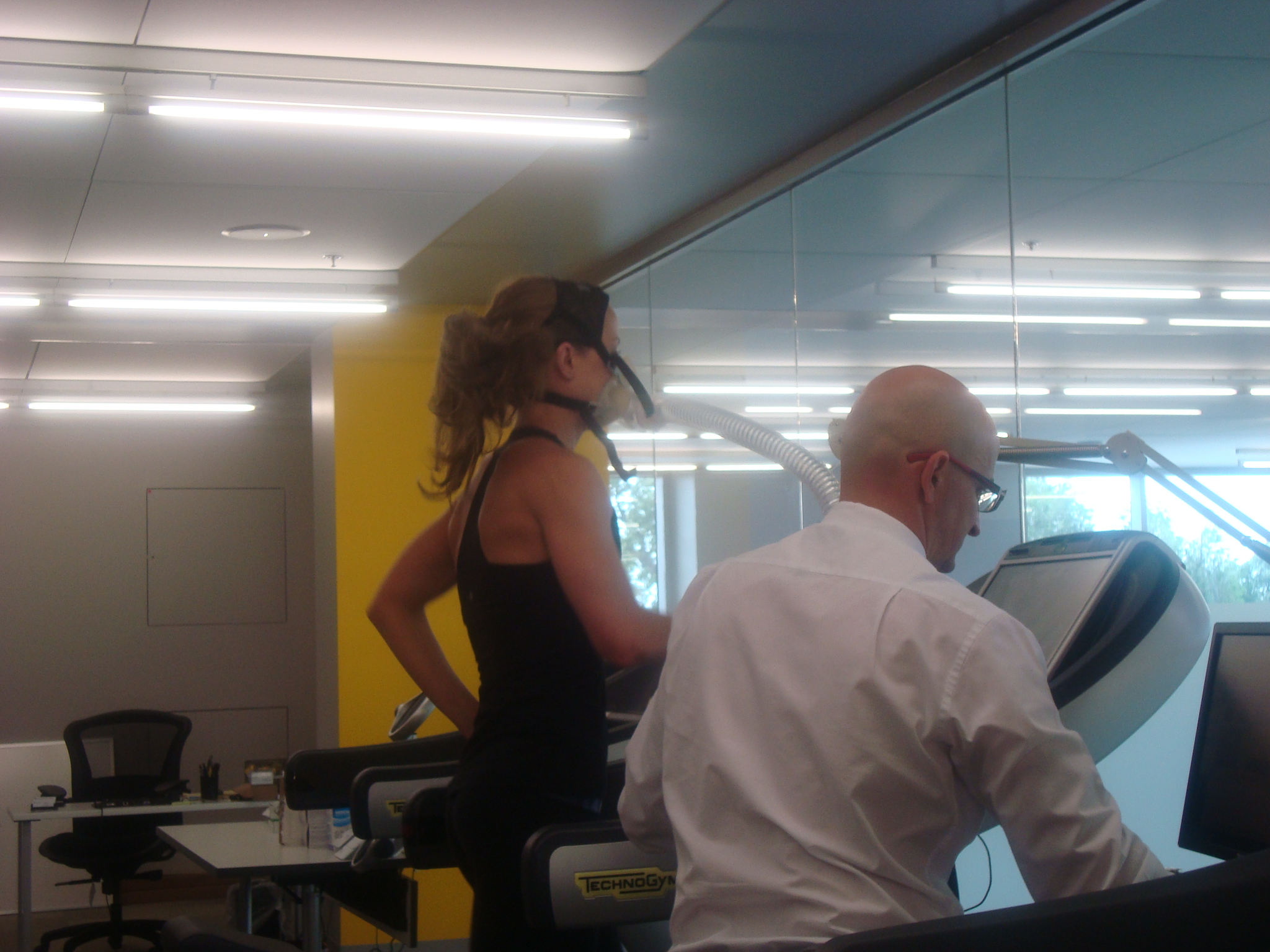
Dr. Millan is awesome and full of insightful information. I found it a privilege to learn the latest information from him directly. Seriously, folks pay a pretty penny not only to train under/with him but to attend one of his speaking sessions. In one of our sessions, I was able to see how they tracked, measured and studied not only athletes but also people sedentary and current fit individuals. In the Anschutz Health and Wellness Center, Dr. Millán showed us how his team tests a variety of people. Within 10 minutes, Dr. Millán could customize a fitness and nutrition plan specifically for your body and current fitness level just by looking at the different ways your body burned energy. This was awesome to see.
Studying Elite Endurance Athletes
- They have extraordinary metabolisms
- They are the fittest people on earth
- The Elite Endurance Athletes are the only population where 100% of them are free of any acquired metabolic and/or cardiovascular disease
To give you the short version of what makes the Elite Endurance Athletes so special, outside their workout routines and passion, it boiled down to simple science.
– Their bodies are able to burn fat at a higher level than most people.
– Their bodies lactate at a much lower level than sedentary (obese) and recreational (those who work out) people.
– They focus on detailed nutrition and exercise regimens to fit their needs.
As I mentioned before, Dr. Millán and his team are studying Elite Endurance Athletes in order to gain more knowledge of how to address the obesity epidemic in America. By understanding how their bodies work at such a higher level, we can help our bodies learn to work at an optimal level as well.
Exercising Tips From Elite Athlete
Although many of us are not training for the Olympics, we can take away a lot of valuable information on proper training. I made a quick summary of the information I learned in one of our breakouts sessions. I made it as simple as possible for you guys. I hope this is insightful for you as much as it was for me.
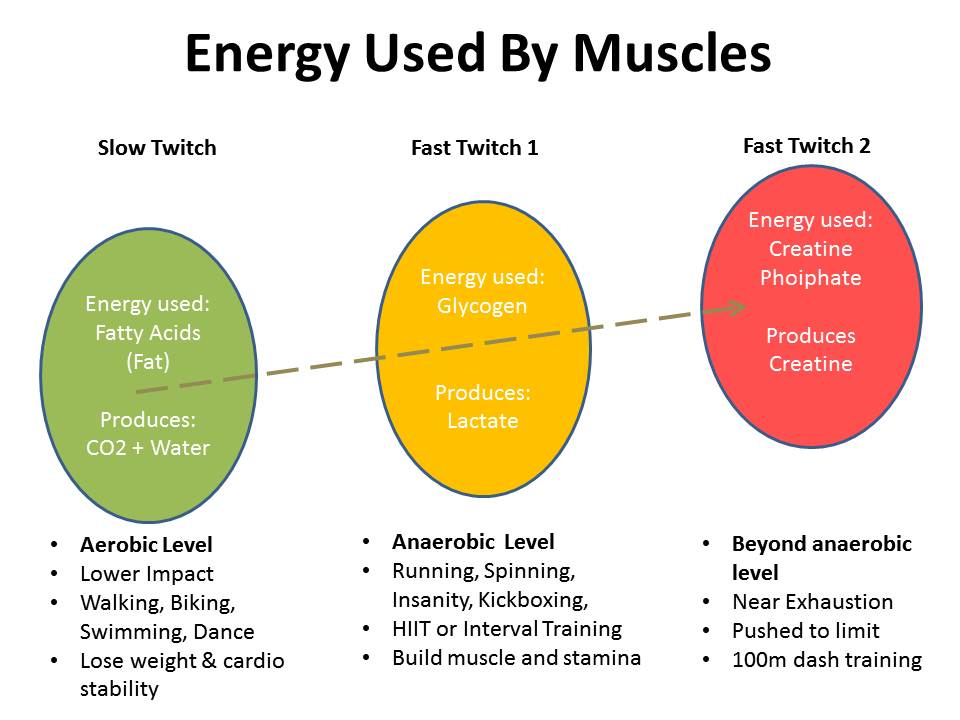
Muscles use energy to keep us moving and our bodies functioning. The muscle is categorized into 2 major levels called twitches. The first layer is the slow twitch, while the second layer is called the fast twitch. The fast twitch has two separate layers as well. Each layer uses different energy in order keep you moving.
Here are a few points that I took away from our session.
1) If your goal is to burn fat, focus on lower intensity aerobic exercise. The slow twitch muscles use fat primarily as energy. So instead of doing 30mins of hard run, try going 60 min walk on the treadmill with some incline to focus on burning fat
2) To gain strength and endurance, focus on higher intensity workouts, which the fast twitch muscles use glycogen for energy. Fast twitch muscles move from using fat as energy to glycogen. FYI: Your brain uses 100% on glucose so it’s hyper sensitive to glycogen levels.
3) Always have a well-rounded workout plan that incorporates both a total body strength/weight lifting, core and flexibility and cardio.
4) Mix up your workout routine. Your muscles learn and adapt so switch it up every 6 weeks!
5) Every Elite Endurance Athlete competes in something they enjoy doing. Find what works best for you and keep with it!
*Small note about burning fat
Fat is also storage fuel. When you eat more carbohydrates than you need and your glycogen stores are full, your brain sagely sends a message to convert the extra glucose to fat and tuck it away on your hips or belly in case there is a famine one day. Fat is recruited for fuel during your cardio workout when your brain senses that glycogen stores are becoming depleted. The more regularly you exercise, the more efficient your body becomes at recruiting fat rather than glycogen to meet fuel demands..
Eating Like an Elite Endurance Athlete
Most people will say, you need more protein when you are training. Right? Wrong!! Take a look at what these athletes are eating.

Marathoners’ Diet : Example #1 – The Kenyans!!
Kenyan runners have dominated for decades and are the skinniest athletes in the world. This is their diet
- Energy Intake: 2987 calories a day
- Carbohydrates: 76.5%!!
- 10.7g/kg/day!!
- Fat: 13.4%
- Protein: 10.1%
- 20% Simple sugars!!
- HIGH Carbohydrates and LOW FAT diet!!

Cyclist’s Diet- Example #2 Tour de France Garmin Riders
Garmin Riders are one the top cyclist team in the country. They are the 1990’s Chicago Bulls of Cycling! Seriously!
- Total Energy Intake: 6000‐900 cal a day
- Carbohydrates: 75‐80%
- About 1,000 g/day of carbs
- 400g simple sugars!!!
- 4000 cal/day of carbs
- 1600 cal/day Simple Sugars

Swimmers’ Diets – Example #3 – Michael Phelps
Phelps told ESPN he eats roughly 8,000-10,000 calories a day. His meals include lots of pizza and pastas! Most nutritionists have gone back and clarified his statement.
- They estimate that to support his 6-foot-4-inch, approximately 190-pound frame, Phelps’ rigorous training regime requires roughly 1,000 calories per hour while he is racing or training. They suggests he probably eats closer to 6,000 calories per day.
- Nutritionists also suggest he is probably supplementing his meals with specially formulated energy drinks that are concentrated in calories, including easy-to-absorb fats (which contain 2.5 times more calories than carbs or protein) to reach higher calorie levels closer to 8,000 per day.
Nutrition Recommendations
What blew me away was the focus on carbs! I assumed most of athletes ate a lot of protein. Majority of the athletes had a routine time/schedule of when they ate and all had a variety of nutrients in every bite.

I am not recommending everyone to go out and eat 3000 calories a day of mac and cheese and waffles but what I would recommend is the following the Mediterranean diet.
- Three fourths of your plate should be with a mixture of veggies and grain. Move beyond wheat and try rye, barley and quinoa.
- Each meal should have a variety of color such as orange (sweet potatoes , carrots) green (kale, zucchini) and red (cranberries, beets).
- Workout and move! 60 minutes of daily physical activity is key. A few simple ways to achieve 60mins is to park further away from your office, take the stairs and walk to grocery store.
- There are good carbs and sugars and ones you should try to avoid. Processed anything should be avoided or limited if possible.
- Keep a log or schedule every meal and snack. Try to stick to it.
- Focus on a complete healthy lifestyle and not just the diet.
- Healthy fats are key! Monounsaturated fats and polyunsaturated fats are known as the “good fats” because they are good for your heart, your cholesterol, and your overall health.
| GOOD FATS | |
| Monounsaturated fat | Polyunsaturated fat |
|
|

Here is a short example of what an athlete’s plate could like. Since, Whitney and I were headed for a 2 hour bike ride in the city of Denver, I made sure to get the right fuel. Although I am a vegetarian, I occasionally will have a few pieces of meat every now and then. At lunch, I had the option of some deep fried vegetables or the grilled meat. Since lamb, buffalo, alligator, scallops and salmon were the only meats my body actually digest properly when I ate meat last year, I figured I would be okay. I knew I couldn’t have the fried vegetables so it was a toss up. The meat was lamb and it was very delicious! Notice how the largest space holds the salad and one of the smallest is where the meat is placed.
- 1/2 cup of mixed veggies (not shown)
- 4 pieces of veggie sushi roll
- 3/4 to 1 cup of cooked white rice
- Mix green salad with 1Tbs of dressing
- 2 oz of grilled meat (lamb)
- 1/4 of orange (dessert! yummy!)
- 1 glass of red wine (not shown)
I didn’t eat the entire cup of rice.





First off, gotta mention that you have one of the better taglines I have seen: Where Hair and Sports Collide. You have me there already! Second, way to pack a lot of info into a good summary. And were you ok later after eating the meat? I’ll think of you when watching the Olympics. I sure hope some of those athletes have good hair!
Thanks! I come up with the most random ideas while working out. This is one of them in a sense. Thank you for the compliment. It was so hard compiling all the information, especially regarding this topic.
Yes, I was okay after eating the meat. I am generally okay if it’s not a lot, organic and or select kinds. I can’t have fried fish but I could have bit sizes of grilled salmon. Not to much. 1-2 ounces anyway.
Yes, I have been looking at the Olympics specifically for their hair too!
health and wellness should be our top priority so that we can live longer and have a good quality of life.*-…
Keep it up http://www.wellnessdigest.co